

Reimagining Talent as a Supply Chain grounded in Empirical Research and Real-World Practice
A measurement architecture that treats Talent as a supply chain — with the same rigour your operations team gives to manufacturing yield, inventory quality, and throughput. Built on 17 years and 200+ enterprise implementations.
Get CHRO Notes
Your most expensive supply chain has no yield metric.
Talent represents 70% of operating costs — yet no organisation measures its yield rate, defect cost, or throughput the way manufacturing does. R7 changes that by introducing a role-relative definition of performance: an A-Player is someone who consistently exceeds expectations in their specific role's KPIs.
A-Players in revenue-critical roles drive customer acquisition — which drives revenue. A-Players who stay in those roles compound institutional knowledge and drive customer retention — which drives profit. Two board metrics capture everything: % A-Players in Critical Roles and A-Player Tenure in Critical Roles.
Everything else in HR — policies, programs, technologies — exists to move these two numbers.
Same industry. Similar scale. Different outcomes.
Company A
Company B
Seven quality control stations.
If any station fails, your final yield suffers — no matter how good the other stations are. Each R is a checkpoint where A-Player composition either increases or decreases.







Extending the Value Stick into Talent Markets
In Better, Simpler Strategy, Prof. Felix Oberholzer-Gee argues that firms create competitive advantage through two mechanisms: raising customer willingness-to-pay and lowering employee willingness-to-sell. The customer side of this equation has decades of CRM systems, NPS scores, journey analytics, and revenue attribution models.
This asymmetry creates a specific research question: can systematic talent measurement infrastructure enable organizations to lower employee willingness-to-sell through better role-person fit, rather than through compensation? When employees are matched to roles where they consistently exceed expectations, intrinsic satisfaction rises — reducing the compensation premium required to retain them.
R7's measurement architecture — tracking talent quality, conversion rates, and retention across seven lifecycle stages — provides the empirical infrastructure to test this hypothesis at scale.
Andreas Andresen Professor of Business Administration, Harvard Business School
Serves as academic advisor to R7's empirical validation programme. The collaboration spans the research architecture of R7 — the validation methodology, the survey instrument design, and the theoretical positioning of R7 as the employee-side extension of the Value Stick into talent markets.
Focus area: EVP & Talent Market Differentiation
Method: Large-scale cross-sectional survey of senior HR leaders across industries and geographies in Asia-Pacific
Survey instrument finalised. Data collection underway across the 300-organisation cohort.
The R7 conversation is growing.
The principles behind the framework.
Human Line
As agents take on routine work, every role divides into work an agent can do and work that must stay human. The Human Line is the boundary you draw between the two — deliberately, not by default. Most roles are redesigned, not removed. The rule is simple: cut the work, not the people.
This is why the two board metrics matter. The share of A-Players in critical roles, and how long they stay, are what tell you whether the line you drew protected the value — or quietly removed it.
Human-to-Role Fitment (HTRF)
R7 keeps the right people by measuring how well each person fits the role they hold — Human-to-Role Fitment. You predict fit before hiring, then measure how a person actually performs in the role, and correct one against the other over time. An A-Player is not a permanent badge; it is fit in a specific role over the last twelve months. A brilliant person in the wrong seat is a misfit — a fixable problem, not a verdict on the person.
The Measurement Architecture
L1 — Board Outcomes
% A-Players in Critical Roles (target: 60%+) and A-Player Tenure in Critical Roles (target: 5+ years)
L2 — Operational Levers
Quality of Hire, Regrettable Attrition, B→A Conversion, C-Player %, Internal Mobility...
L3 — Flow Diagnostics
New Hire A-Player Rate, Rating Calibration Accuracy, C-Player Exit Velocity — by Role Category
L4 — System Parameters
197 HRTech capabilities — the system layer underneath every higher metric: skills taxonomy, attrition prediction, AI matching...
The enablement chain flows bottom-up: L4 enables L3, L3 drives L2, L2 determines L1. The diagnostic chain flows top-down: trace any board-level problem to the exact system capability that is missing.
The Self-Healing System
VALIDATED ✓
L1 HIGH + Business HIGH. Your definitions work. Keep measuring.
DEFINITIONS WRONG ⚠
L1 HIGH + Business LOW. Fix A-Player definitions or Critical Role designations.
MEASUREMENT GAP
L1 LOW + Business HIGH. You're not measuring the right things. Recalibrate.
REAL TALENT PROBLEM ✗
L1 LOW + Business LOW. Genuine A-Player deficit. Act now.
Not just theory. Field-tested applications.
R7 HRTech ROI
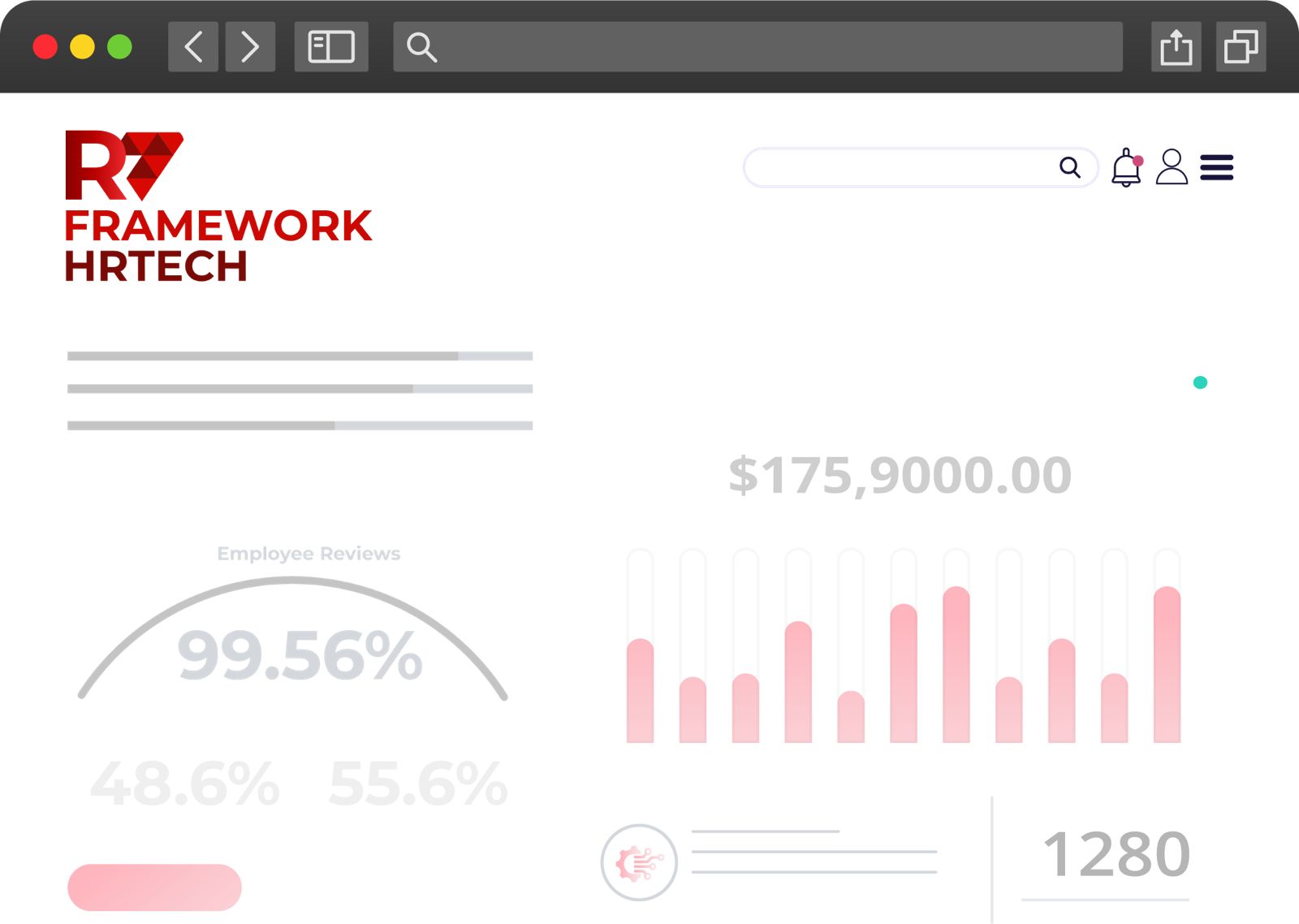
Quantifies the dollar impact of talent gaps using a 10×10 matrix: 10 Hidden Costs × 10 Value Drivers. 37 input parameters. Phase-based value ramp. Role criticality multipliers.

R7 Health Check
"We bought the system. Is it working?" 5+1 diagnostic model. Five objective inputs, one derived output. Two-tier assessment with 36 root cause taxonomy.
R7 HRTech Selection
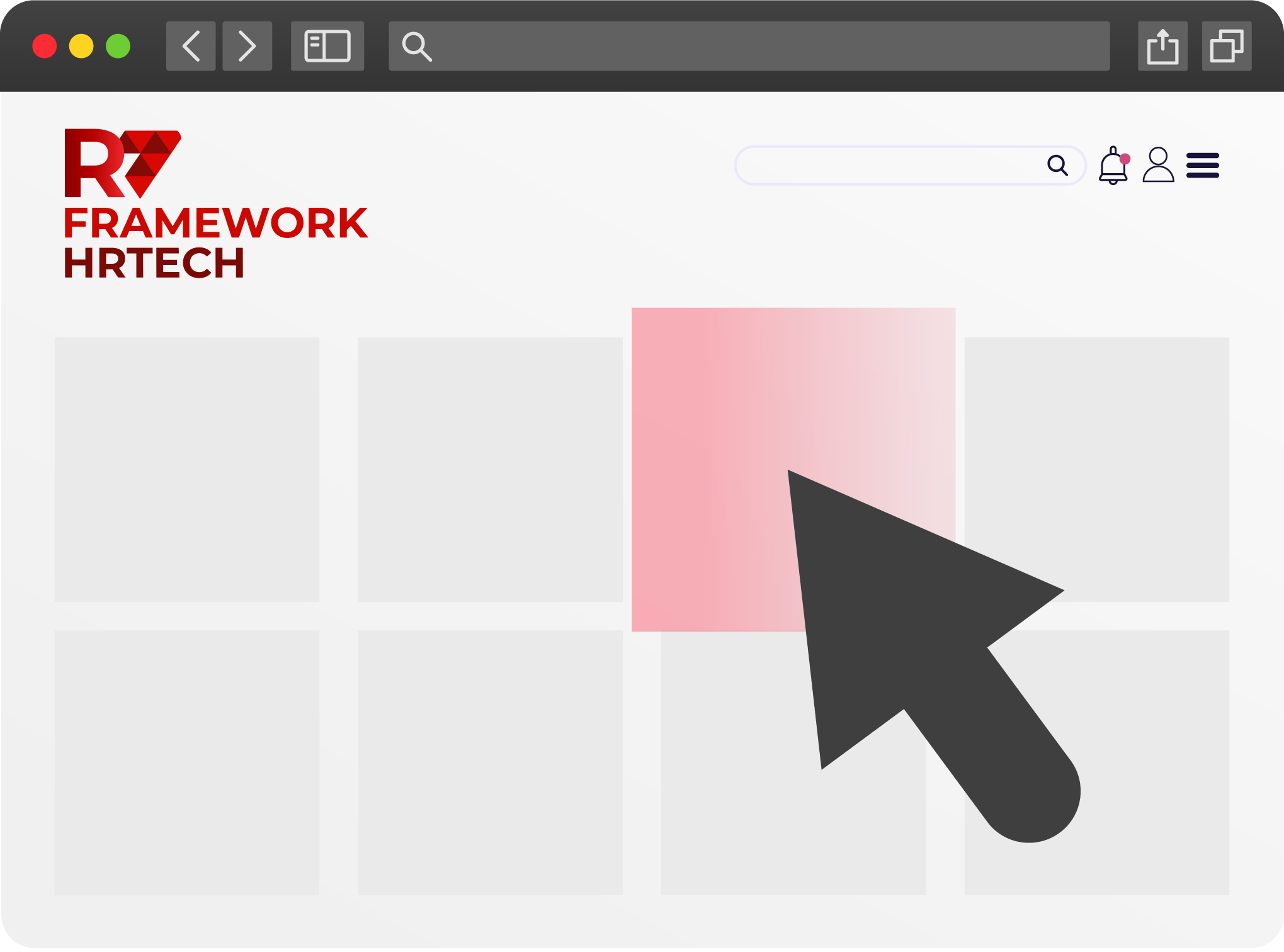
Vendor selection based on YOUR fit, not analyst rankings. 209 parameters (197 functional + 12 non-functional) weighted by YOUR business priorities. Vendor capability scored independently.

R7 AI Navigator™
13 Universal AI Agents every enterprise needs. 5 PLAN + 8 PREDICT. Scored across 5 dimensions on 0–10 scale. Three modes: Assess → Plan → Monitor.
Human Line
Your spreadsheet cannot tell your best people from your most expensive ones.
As AI makes it possible to do more with fewer people, most companies will cut by the only number they hold — salary — and lose the very people who quietly hold the business together. Human Line Mandate is the discipline that stops the accident: a company deliberately designed so humans and agents produce more than either could alone.
Read Human Line Thesis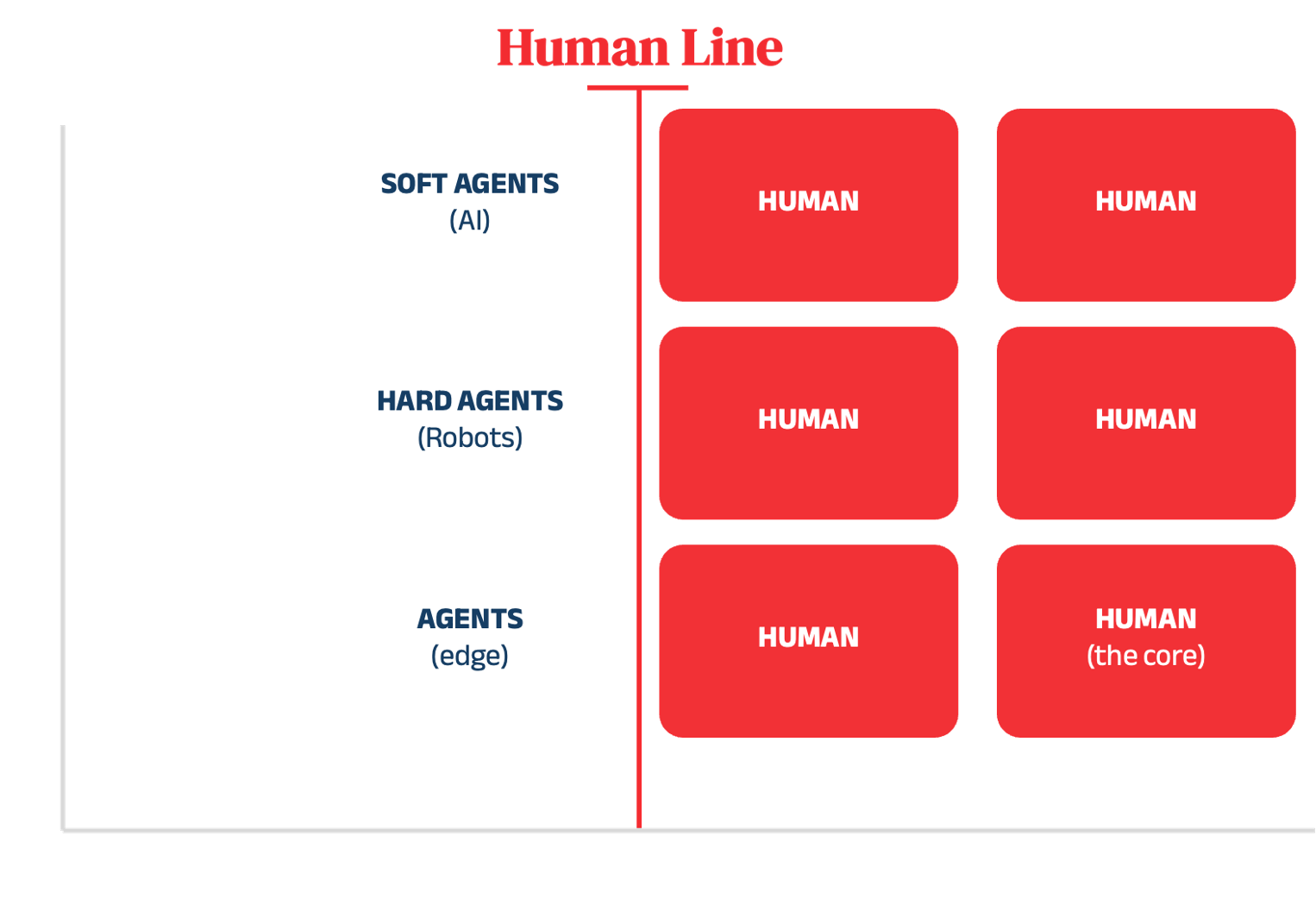
Latest thinking.
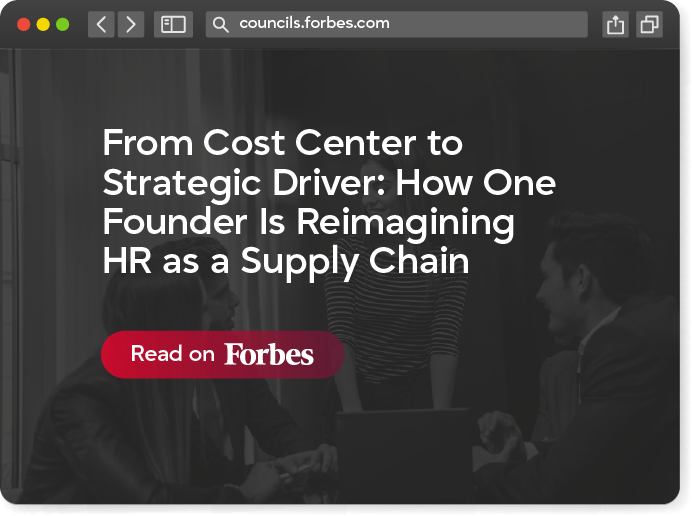
Weekly perspectives on talent measurement, HR technology, and the architecture of the modern talent supply chain. Sourced from our Substack, Medium, the "HR Is Not A Cost Center" LinkedIn Newsletter (5000+ subscribers), and the Forbes Technology Council.
Read Manu's Forbes Articles
Access Manu Khetan's executive columns and published insights on the Forbes Technology Council, exploring the integration of talent metrics into corporate strategy.
Read on ForbesFollow R7 on Medium
Explore first-principles engineering and implementation perspectives. Architectural deep-dives of HRTech platform evaluations, metrics, and systems design.
Follow on MediumHR is NOT a Cost Center
The weekly briefing challenging traditional talent models — read by thousands of HR and business leaders focused on high-yield organizational outcomes.
Subscribe on LinkedInFollow R7 on Substack
Subscribe to our official Substack for long-form strategic analyses, raw implementation metrics, and first-principles critiques of conventional HR tooling.
Read on SubstackReady to measure what matters?
R7 was created for one purpose: to drive the world's professional productivity. By giving HR the same measurement precision that every other function already has.
For CHROs & HR Leaders
A 45-minute private walkthrough tailored to your organization's talent supply chain.
Request BriefingFor Researchers
Participate in the empirical study validating the R7 hypothesis across organizations in Asia-Pacific.
Join the ResearchFor Everyone
Subscribe to "HR is NOT a Cost Center" — the newsletter that challenges how you think about talent.
Subscribe